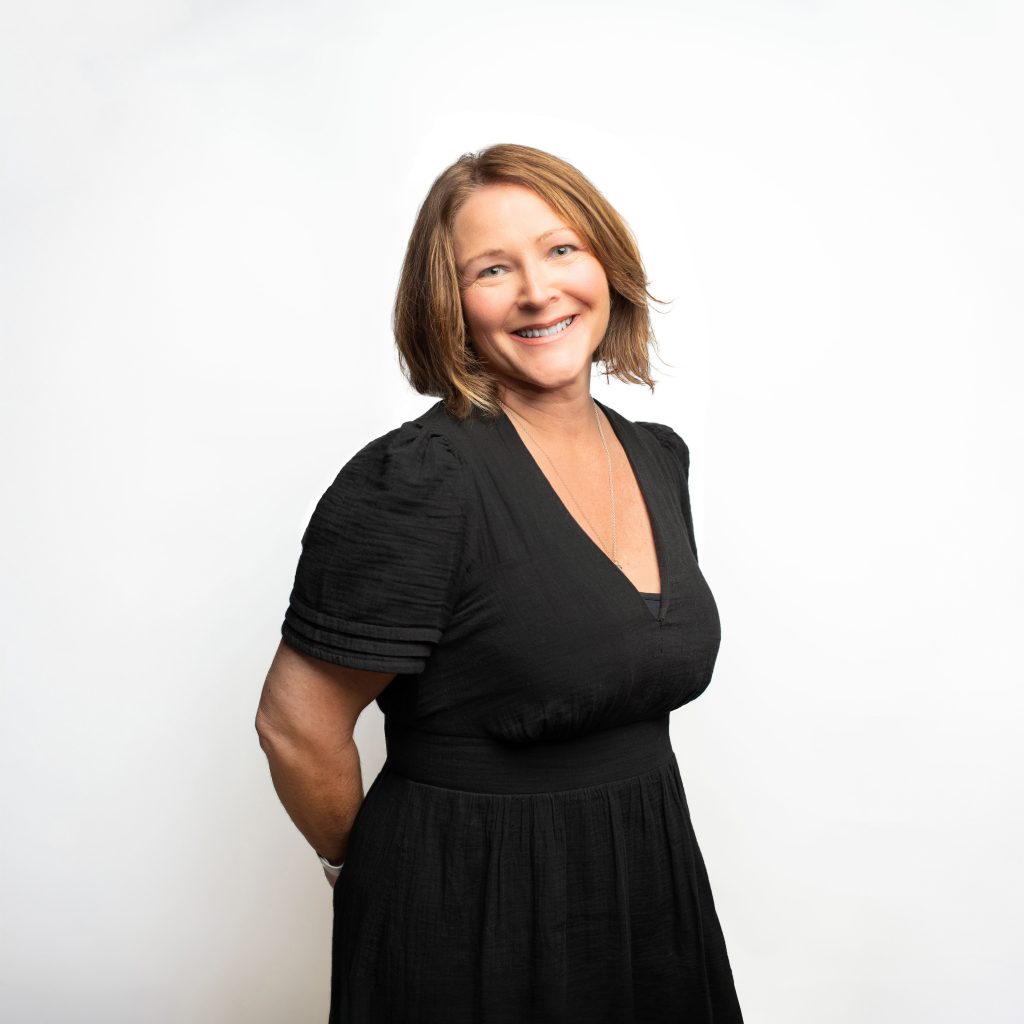
Since moving into data and analytics in 2018, Dawn has built a career grounded in purpose and impact. Alongside her role in data architecture, she has been a powerful advocate for change, paving the way for more inclusive and supportive workplaces.
As Co-Chair of the Gender Equity Network, she has spearheaded initiatives influencing policy on parental leave, fertility and menopause, helping turn lived experience into meaningful action across organisations.
We caught up with Dawn following her recognition as part of Twenty in Data & Tech Series 6 – an accolade that amplified her voice in the conversations the industry cares about most. Since then, she has changed roles and industries while remaining firmly rooted in data architecture. In this conversation she reflects how being part of the Twenty in Data & Tech Series 6 gave her a recognised voice in the conversations that matter – how data, when paired with empathy, can be a powerful force for change.
What’s changed since we last caught up with you?
So much has changed. I’ve moved jobs, switched industries, and now work at Canada Life. While the role itself is similar, I continue to develop my style.
In my previous position, I was actively working towards leadership, figuring out who I was as a manager and, more importantly, the kind of leader I wanted to become. Along the way, I learned as much from leaders who inspired me as from those who didn’t. That clarity, knowing who you don’t want to be, has been powerful.
I was also incredibly fortunate to be mentored by someone in the C-suite who saw my potential and took a chance on me. They treated me not as I was, but as who I could become. Developing potential is what great leadership looks like and it’s a standard I now carry forward myself.
How did being part of Twenty in Data & Tech, Series 6 support your career?
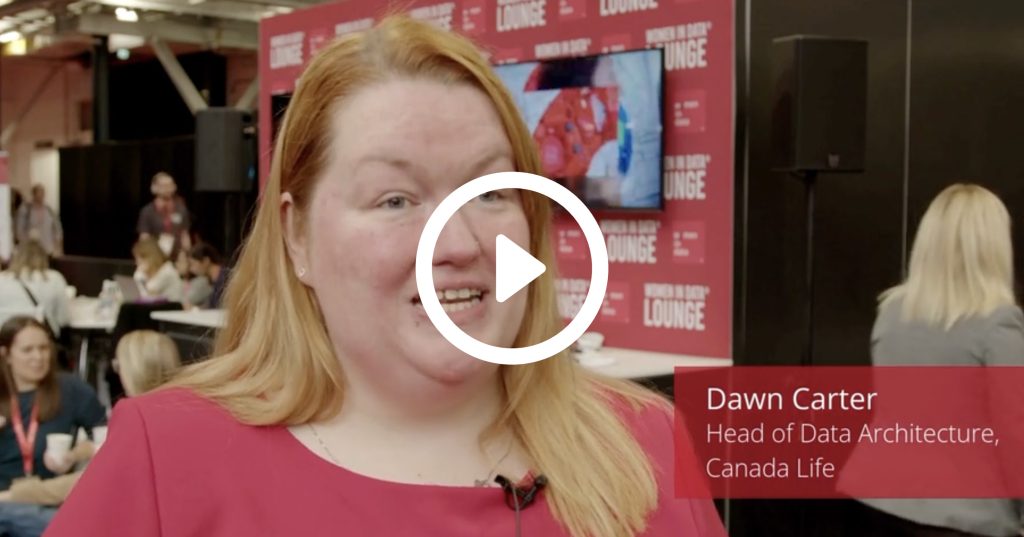
It feels like I’m everywhere now, in the best possible way. Wherever I go, whether it’s a conference or an industry event, I’m rarely a stranger. I’ve built real friendships across the sector, and that sense of belonging matters.
The shift happened fast. A podcast in February. Being named Twenty in Data the following month. Then speaking at Enterprise Data World in the US. Within three months, opportunities continued throughout the year. I went from attending Big Data London to standing on stage delivering one. In May, I’m going to San Diego to run a workshop on translating business strategy into data architecture. At times, it barely felt real.
“Being recognised as a Twenty in Data & Tech didn’t just open doors – it gave me a respected voice across the industry”.
I was once told I had ‘too much personality’ to work in data. I took that as a personal challenge. I love championing data as a career because we all use it, every day. It should be accessible, not intimidating. When we strip away the fear and the obsession with maths and statistics, data becomes logical, human, and powerful. If we valued those skills differently, we’d open the door to so many more women who don’t yet see themselves in this space.
But the biggest impact? Has been in my confidence.
People often assume I’m endlessly confident. The truth is, I struggle with anxiety. What changed is my belief in my own voice. I come alive when I’m sharing ideas, learning with others, and passing knowledge on. Through this work, that outward confidence has slowly become internal too.
I often ask people: what do you want to be known for? Impact doesn’t have to mean a keynote stage. It can be an expert panel, a mentoring conversation, or showing up authentically where it matters. Somewhere along the way, the narrative shifted for me – from she’s good at her job to she’s recognised by the industry. And that change has been transformative.
As part of the award, you were known for paving the way for more inclusive and supportive workplaces for women, can you tell us more?
At my previous organisation, I was a Data Architect, and the only woman in a team of 25. Drawing on my experience as Co-Chair of a Gender Network in the insurance sector, I stepped into the role of Co-Chair of the Gender Network. It was supported by an executive sponsor who genuinely backed the work.
We focused on understanding what it really means to be a woman at work, which involved looking at individual needs across the organisation and grounding our conversations in data. From health and gender parity to hiring practices and long-term cultural impact, we tackled the topics that are often left unspoken. One of the most meaningful outcomes was the creation of a reproductive health group. This covered both women’s and men’s health and continues to thrive today.
This commitment hasn’t stopped. In my current role, I’m proud to support the gender network at Canada Life, it’s called ‘Balance’, even though we are still early in our journey. More recently, my focus has widened. My interest isn’t just about women in data and tech, it’s about bringing men into the conversation. Real progress happens when everyone feels ownership of change.
What words of encouragement might you consider for anyone considering nominating themselves or a colleague for the Twenty in Data & Tech series?
If you’re considering nominating someone for the award, my advice is simple: just do it. What’s the worst that can happen?
Thinking back to the run-up to the award announcement, what do you remember experiencing? and how might series 8 be feeling right now?
I still remember the anticipation before the announcement, the excitement, the secrecy. On the day, I wore a shirt that read, ‘I wish brilliant women had the confidence of mediocre men’. There were twenty women on that stage, and I’m certain most of us had questioned our confidence at some point in our careers.
Do you have any parting words for Women working in the data industry?
My advice to women in data? Do the things anyway despite the hurdles. Show up, keep going, and aim to be just 1% better each day.
Find the people who will champion and cheerlead you, especially on the days you doubt yourself. I’m incredibly fortunate to be surrounded by inspiring women, many through Women in Data® and wider networks. That’s where the magic happens. It’s not about being better than each other, it’s about being better together. And don’t be afraid to reach out to your connections for support, ever. Those people were once exactly where you are now.