HOME IS WHERE SHE
MAKES IT HAPPEN
INSPIRING
THE NEXT GENERATION OF WOMEN IN DATA & TECHNOLOGY

A collaboration with Snowflake
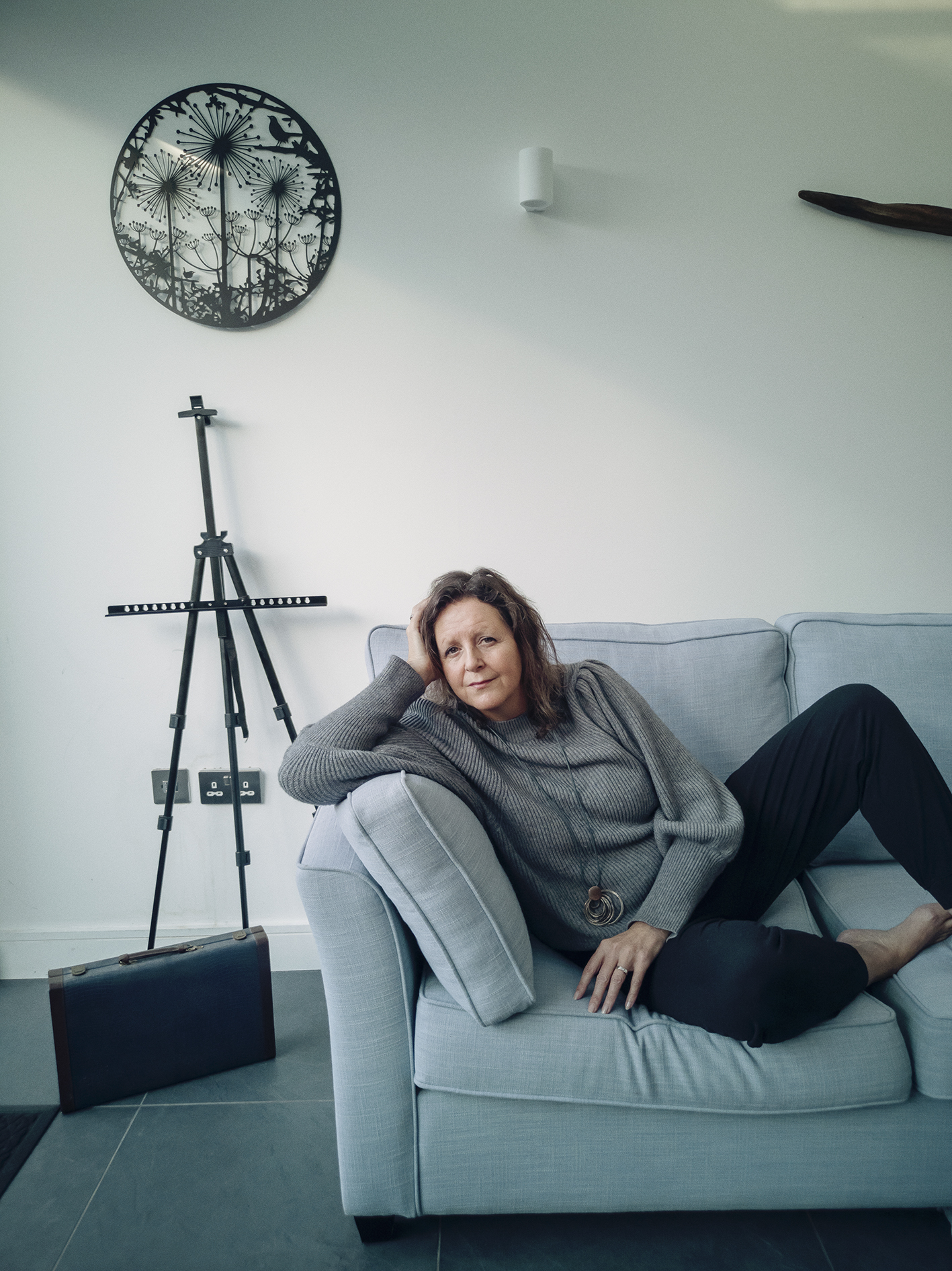
Mini-Me: When Vicky Met Jasmine
How do you feel about being recognised as one of Women in Data’s ‘20 in 20’?
I feel proud because, at its heart, being recognised is about the outcomes I have achieved and how they shine a light on the challenges faced by people in the UK with a learning disability.
The difficulties and opportunities in harnessing data are the same regardless of the organisation. Yet, the resources available to charities are so vastly different. So, it was hugely rewarding to lead and be involved with various programmes at Mencap that transform lives, including:
Providing the ability to mine data to frontline support workers so they can identify life-enhancing interventions.
Supporting the innovative development of a chatbot that democratises access to legal support.
Placing technology into the hands of people with profound and multiple learning disabilities so they can independently complete everyday tasks for the first time in their lives.
It’s been an ‘interesting’ 12 months - could you give an example of a personal high and low point?
Low: Recognising I was slowly being reconditioned by lock-down, resulting in a reduced desire to spend time with people outside my household.
High: Creating robust, meaningful and highly productive working relationships over Teams without ever meeting face-to-face.
We’ve all had to adjust to a different way of working - how has it affected you professionally?
In many ways, I have found that our new way of working has helped. I find it so much easier speaking to 100 people over Teams than in an auditorium! I also started a new job in lockdown. I discovered that remote working does not prevent creating connections with people, and I have fostered good working relationships.
But I have missed being with others. I have missed drawing from the combined energy of a group. Most of all, I have missed the magic that occurs when alignment emerges and consensus is achieved. Things just take longer and are harder.
How do you balance work and life responsibilities with the pressure of aspiring to be the best at what you do?
I try to keep in perspective the importance and urgency of everything in my life. Family is
obviously hugely important, but so too are my career aspirations and dedicating time to working towards them; and then there is balancing the everyday needs of work and home life.
What has been the most significant barrier to achieving this stage in your career?
Probably me. My preconceptions about what I can or can’t achieve. My preoccupation around what people think of me, and a sense that I am not as good as those around me.
Do you experience resistance when you’re leading men - and if so, how do you deal with it?
I have only ever felt support and encouragement from the men in the teams I have led.
However, more broadly, I have dealt with resistance to being led in multiple ways. Be it by dedicating more time to an individual to understand and address their drivers and needs; or influencing those around a resistor; or just accepting not everyone will jump on board at the same pace.
What is some of the advice you’d share with young women entering a male-dominated profession?
Make it your mission to find out your strengths and build on them.
Own your voice.
Don’t limit yourself and don’t be apologetic.
What was your breakthrough moment?
When I realised what my strengths were and started to dial up on them.
What is your greatest strength?
Simplifying complexity.
What needs to change in the next 10 Years for women in data and technology?
Women, in the main, have been conditioned by society to behave in a certain way, and our behaviour is not the norm in data and technology. If gender parity is the vision, then we need a cultural revolution in the next ten years. We need agitation, and we need to get comfortable with this.
So, if you feel emotional or nervous or make a mistake and it's awkward, then this is agitation, and this is progress. Getting comfortable with being awkward will empower us all to operate with greater authenticity. To my mind, this is the cultural revolution we need. Once this happens, it's only a question of time for gender parity to follow.
Sainsbury’s is a huge organisation - and yet your role specifically requires a great degree of agility. How do you drive progress forward quickly with so many stakeholders?
Spend time understanding our mutual needs and desires but concentrate on identifying the most valuable use cases and carving out the quickest path to delivery. Then focus relentlessly on value.